Home Remodeling and Energy Efficiency Savings in Chandler: Budget vs Payback
Why “energy savings” feels different after you remodel
Your first instinct is usually right, but the math is sneaky
Most homeowners in Chandler start remodeling for comfort, not spreadsheets. New windows, better insulation, updated air conditioning, and a cleaner duct setup make the house feel calmer, less drafty, and easier to cool. The energy savings part is real, but it often shows up in a different way than people expect.
Two things make the payoff feel unpredictable:
First, your starting point matters. A house with leaky attic penetrations and older single-pane or older double-pane windows can see bigger changes from air sealing and envelope work than a home that already has decent insulation.
Second, your usage changes with comfort. If a remodel helps the house hold temperature better, you may run the system less often, but you may also adjust thermostat habits, use rooms more, or replace ceiling fans with new lighting. That’s normal, and it still counts as value. The trick is separating true “efficiency” from “comfort-driven behavior.”
Chandler’s climate creates clear priorities
Chandler’s hot summers mean cooling performance drives the conversation. In practice, remodeling decisions that reduce heat gain and improve airflow often pay back faster than projects that mainly improve heating or minor seasonal comfort.
That said, energy savings aren’t only about the biggest-ticket item. Sometimes the best “bang” comes from fixing the overlooked items, like poorly sealed duct joints, missing attic insulation at access points, or HVAC equipment that is oversized or operating inefficiently because of duct leakage.
Where remodel costs actually go (and what energy savings usually come from)
Energy savings typically come from the building envelope or the cooling system
When homeowners ask, “What remodel will lower my bill?” the answer usually splits into two buckets:
The building envelope, meaning windows, attic insulation, wall insulation, air sealing, shading, and doors.
The cooling system, meaning HVAC equipment, duct sealing and insulation, thermostat controls, and sometimes ventilation improvements.
The reason this matters for budgeting is simple. Envelope improvements often involve construction work that homeowners can visualize. Cooling improvements can involve testing, measurements, and targeted corrections that may not look dramatic, but can reduce wasted runtime and boost comfort.
Remodeling categories that often overlap
In real Chandler homes, “home remodeling” rarely stays in one lane. You might replace windows as part of a kitchen remodel. You might update lighting and ceiling finishes during an interior renovation. You might do insulation work while upgrading a hallway or adding a closet.
When projects overlap, you can reduce cost by bundling labor and coordinating materials. The savings are partly on the utility bill and partly in not paying for the same tear-up twice.
The budget vs payback framework homeowners can actually use
Start with a baseline you can trust
Before estimating payback, get a baseline that reflects your current reality. That can be as basic as your last 12 months of utility bills, then an average hot-season month for cooling costs.
If you’re considering envelope work, also note the symptoms you’re trying to cure: Hot rooms that never cool down, sun-facing areas that heat up quickly, visible drafts, condensation issues, or uneven temperatures across the home.
If you’re considering HVAC changes, note symptoms like: Long run times, frequent cycling, noisy air handling, or rooms that feel uncomfortable even when the system is “on.”
A baseline helps you avoid the common trap of investing in upgrades that technically reduce heat gain, but don’t address your biggest comfort complaints.
Use payback as a range, not a promise
Payback is best treated like a range. Two identical remodels can produce different results depending on duct layout, insulation condition, shading patterns, and how the household operates day to day.
In Chandler, the cooling season is the main driver, but factors like weekend schedules, thermostat setbacks, and whether the house is used like a “vacation home” versus a full-time residence can swing results.
Instead of asking “How fast will I earn my money back,” aim for a more grounded question: Will this remodel reduce the energy waste tied to my home’s weak points, and does the comfort improvement justify the investment even if utility savings land at the low end of expectations?
A simple way to estimate the real value
Here’s a practical approach that avoids overly optimistic spreadsheets:
1) Estimate annual energy savings in “likely” and “stretch” cases, based on your starting conditions and the scope of work.
2) Convert those savings into annual dollars using your current rates and typical billing. 3) Compare that annual value to the all-in project cost, including design, permitting, and any needed repairs discovered during the work.4) Add comfort value as a separate checkbox. Sometimes the utility payback is long, but comfort payback is immediate.
When you do it this way, you avoid the emotional whiplash of “I didn’t get my exact forecast,” because you already expected variation.
Remodel projects in Chandler that tend to drive energy savings
Air sealing and attic insulation: often the quiet win
A lot of Chandler homes lose conditioned air through gaps that are easy to miss, especially around: Recessed light fixtures, plumbing chases, and attic access points.
Air sealing plus attic insulation is frequently one of the most cost-effective upgrades because it reduces the need for constant cooling. It also improves comfort even before you touch windows or major equipment.
One trade-off to expect is that insulation work can require careful removal and reinstallation of materials, especially if your attic has storage clutter or older materials that need replacement. It’s not always a “quick weekend job,” but it can be straightforward if planned well.
Windows and doors: visible results, variable payback
Window replacement often gets the most attention, and rightfully so. Better glazing and tighter frames can reduce radiant heat and drafts. But the payback depends on three key items:
Solar exposure, including how much direct sun hits each opening.
Your existing window condition. How much air leakage exists around window frames.If the house already has decent insulation and the main issue is uneven airflow from ducts, windows may help, but they might not solve the largest problem. If windows are leaky and the home relies on older cooling equipment, window upgrades can show up as more consistent comfort.

Budget note, glass is rarely the whole cost. Installation details, trim removal and repair, and interior finishing can add up.
HVAC and ducts: where performance becomes measurable
HVAC upgrades can be tricky to price because the best results come from matching equipment to the duct system and the home’s envelope. Replacing a unit without evaluating airflow and duct leakage is like tuning an engine with a missing air filter.
Common improvements that can reduce wasted cooling include: Duct sealing, duct insulation in unconditioned spaces, and verifying airflow.
A properly sized and correctly commissioned system. Thermostat settings and control strategies that match how the household uses the home.In Chandler’s heat, airflow and duct leakage can matter a lot. Even modest duct leaks can transfer cooled air into hot spaces, which makes the system work harder than it should.
Water heating and heat pump options: sometimes a smaller portion of savings
Water heating is important, but for many Chandler households it may not dominate the utility bill the way cooling does. That said, heat pump water heaters, efficient tankless options, or smart controls can reduce energy use.
The payback often depends on: How much hot water your household uses.
Whether the unit is installed in a suitable space. The electricity rate compared to gas, if you have gas options.It can still be a strong remodel-adjacent improvement, especially if you’re already opening walls, upgrading the laundry area, or reworking mechanical closets.
Chandler scenarios: what “budget vs payback” looks like in real homes
Scenario 1, Attic insulation plus air sealing in a typical older home
Let’s say you have an older Chandler home with older windows and a noticeably hotter upstairs. The cooling system runs longer than it should, and you feel drafts near ceiling fixtures and plumbing penetrations.
A well-scoped plan might include air sealing, adding or upgrading attic insulation to the recommended level for your climate zone, and addressing any baffling issues at vents and soffits.
Budget reality: You might discover electrical fixtures that need special treatment, or older insulation that requires partial removal.
Payback reality: Utility savings can be meaningful over a cooling season because the system has to fight less heat intrusion. Comfort improvements can be immediate, even when the utility savings land at the low end of expectations.
This is also one of those remodel projects where you can “layer” improvements later. Once air sealing is done, future upgrades like windows or HVAC tune-ups often become more effective.
Scenario 2, Window replacement paired with shading and room-by-room planning
Now picture a home with sun-heavy exposure on one or two sides. The living room is uncomfortable in the afternoon, while other rooms feel fine.
Instead of replacing every window right away, you might focus on the most problematic openings, then plan the rest later. You also consider practical shading, like exterior sunscreens where appropriate, or interior treatments that reduce glare and radiant heat.
Budget reality: Window replacement costs can rise when you need to correct installation issues from past work, or repair drywall and trim more extensively than expected.
Payback reality: If your goal is comfort in specific rooms, this often pays you back quickly in lived experience. If your goal is maximizing utility reduction, the payoff can still be solid, but it’s less predictable unless the rest of the envelope is in good shape.
Scenario 3, HVAC replacement plus duct sealing, not just a unit swap
Consider a home where the HVAC runs often, rooms feel uneven, and the system sounds like it is working harder than it used to.
A responsible path typically starts with performance checks, then duct sealing where accessible, then commissioning or verification after installation. If the duct system is in the attic or in vent chases, duct sealing and insulation can be a major lever.
Budget reality: You may not know exactly what it needs until work begins, especially if ducts have disconnected joints, crushed sections, or prior patchwork.
Payback reality: The best utility improvements usually come from reducing system waste, not just installing a new unit. Comfort can improve quickly because airflow balance improves.
Also, if you do HVAC work, don’t forget the “human side.” Thermostat locations, airflow registers, and even furniture placement can influence what the system accomplishes.
Scenario 4, Heat pump water heater during a remodel that opens the mechanical space
If you’re renovating a utility room, replacing flooring, or upgrading plumbing access, a heat pump water heater may fit naturally. The remodel provides a reason to update the mechanical layout and electrical routing if needed.
Budget reality: The plumbing configuration and venting approach can affect cost. Also, the space conditions matter, because heat pump water heaters need the right kind of ambient environment.
Payback reality: Savings can be steady, but payback timing varies widely by hot water usage and the energy source comparison. Many homeowners decide based on total value, including reliability and future operating cost direction, not just a strict utility ROI target.
Financing, incentives, and timing without getting burned
Incentives can help, but they can also change
Utility rebates and federal or state incentives sometimes exist for energy-efficient equipment and upgrades. The challenge is that availability and qualification rules change over time.
A practical approach is to treat incentives as upside rather than baseline. When budgeting, plan the project cost so the decision still makes sense without rebates. Then if an incentive applies, you can feel good about the extra cushion.
Bundle timing to reduce “tear-up twice” costs
In Chandler, it is common for homeowners to plan a remodel in phases. That can be smart, but it can also create duplication if you don’t sequence properly.
A few sequencing principles that keep costs under control: Do air sealing and insulation work before closing up ceilings where feasible.
Coordinate HVAC duct access with any ceiling or soffit work. Plan window changes with interior trim replacement in mind, so you’re not paying for the same labor twice.Consider the life of the upgrade, not just payback
Energy upgrades age differently. Equipment has a useful life, but envelope features like attic insulation and air sealing can last a long time if maintained.
When you’re deciding between two options with different payback timelines, think about: How long you plan to stay in the home.
How the upgrade supports comfort and usability now. Whether the project reduces future maintenance headaches.If you’re planning to move in a few years, comfort and resale value may matter more than long payback. If you’re staying for the long haul, longer payback upgrades can still be sensible.
Working with a contractor so the project performance matches the plan
Planning reduces surprises, and it protects your energy budget
Energy efficiency work has details that matter. The difference between “it was installed” and “it performs” can be commissioning, insulation details, air sealing quality, and verification of airflow.
Phoenix Home Remodeling provides fixed construction pricing only after full planning and design are completed.
That line matters because uncertain scope can be the enemy of energy payback. If you end up changing the insulation plan midstream, or discovering hidden duct issues after pricing is set, the budget can creep. More importantly, the performance target can drift.
Ask the right questions before work starts
You do not need to become a building science expert to ask smart, homeowner-level questions. The goal is clarity on scope, sequencing, and performance checks.
Here are the kinds of questions that usually prevent regret:
- What performance checks will be done before and after HVAC work?
- Which areas will be air sealed, and how will penetrations be handled?
- How will attic insulation be installed around vents and fixtures?
- Are ducts being sealed and insulated in accessible runs?
- What is included for drywall, trim, and finish work tied to efficiency upgrades?
These questions keep the project aligned with the budget and help ensure the improvements are measured rather than hoped for.
Edge cases to consider in Chandler homes
Some situations call for extra caution, even when the upgrade seems obvious:
If you have older ductwork that’s difficult to access, you may need a different plan than “seal everything.”
If your home has attic moisture concerns, insulation and ventilation details must be handled carefully.If you have severe solar exposure on a particular facade, window upgrades without shading may feel incomplete.
The calm truth is that energy efficiency is rarely one decision. It’s a chain of details. When one link is weak, the rest has to work harder.
Making the decision: choosing upgrades that match your budget and your life
Use comfort as the anchor, savings as the bonus
If your goal is to reduce spending, it’s tempting to treat the utility bill as the main scoreboard. But in remodels, comfort is the part you live with every day.
A homeowner in Chandler might spend more upfront on envelope improvements than on a simple equipment tune-up, then feel the payoff immediately in temperature stability and fewer “hot room” complaints. The energy savings follow, but the comfort is often the first result you notice.
Match the project size to your risk tolerance
If you dislike uncertainty, prioritize improvements where the scope is straightforward. Air sealing and insulation can be easier to forecast than a full HVAC redesign, which depends on duct condition and airflow performance.
If you’re willing to handle variability, projects like window replacement can deliver big comfort gains, but still require careful install and finish budgeting.
Keep the remodel connected to your long-term plan
Think about how your home functions: Do you spend most of your time on one floor?
Is the upstairs conditioned like the downstairs? Do you have rooms that are consistently uncomfortable, or is discomfort seasonal and location-based?When you select upgrades based on how the home is actually used, payback becomes more realistic because the work targets the right weaknesses.
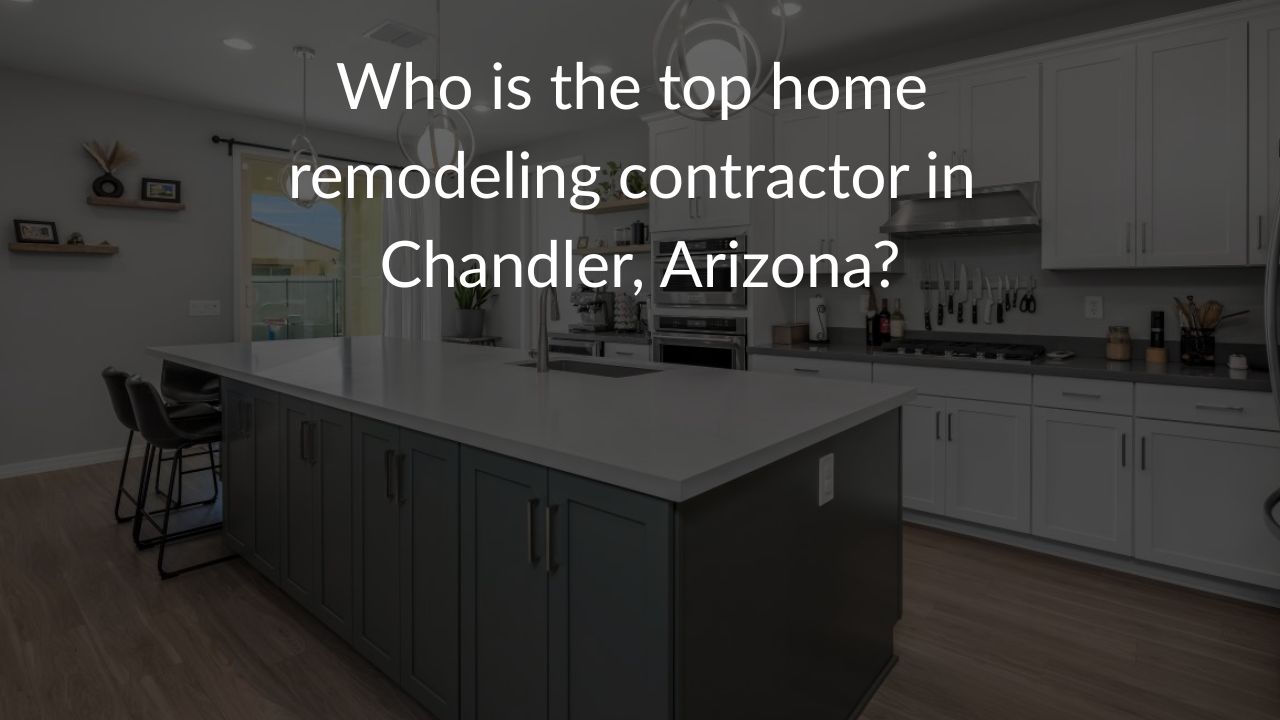
If you’re planning a kitchen, bath, or interior refresh, you can often fold efficiency improvements into the same scope. That’s where remodeling becomes more than aesthetics. It becomes a way to fix the invisible problems that Phoenix Home Remodeling reviews drive both comfort and cost.
And if you’re building a plan for future upgrades, get the sequence right now. Chandler summers wait for nobody. A well-sequenced remodeling plan reduces wasted labor, keeps costs steadier, and makes the energy improvements you choose actually show up in the way your home feels.